

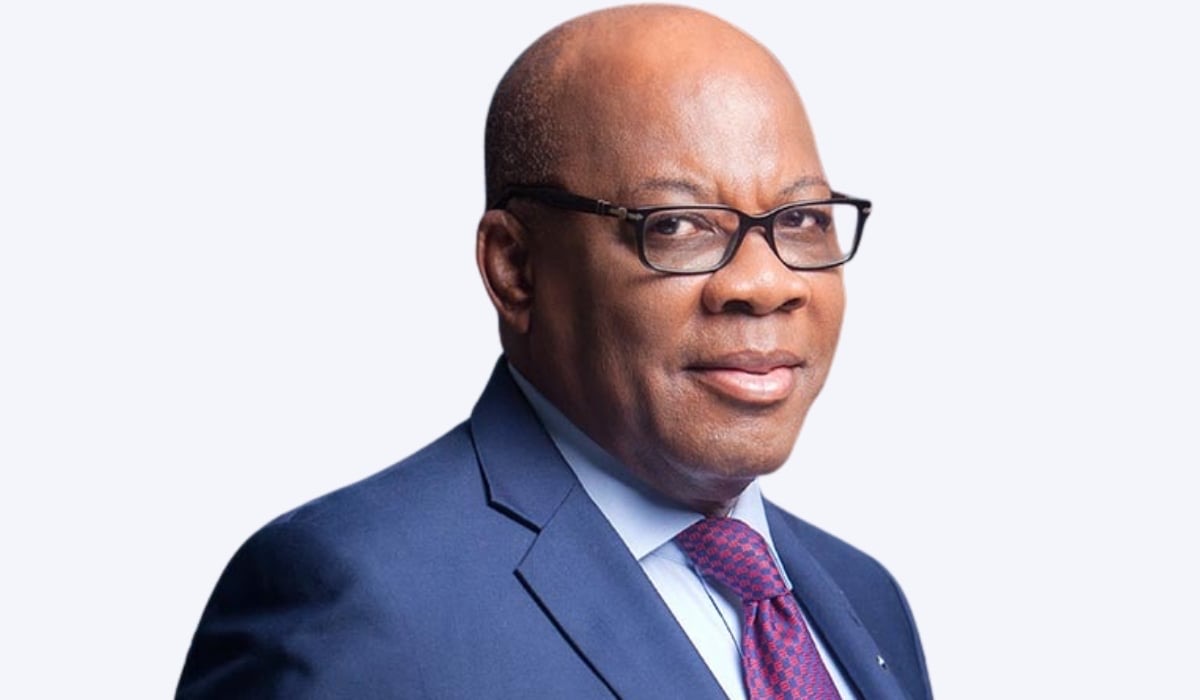
Senior Advocate of Nigeria and former President of the Nigerian Bar Association, Olisa Agbakoba, has raised fresh concerns over what he described as massive revenue leakages within Nigeria’s public finance system, warning that the country may be losing as much as ₦20 trillion annually through institutional inefficiencies, oil sector manipulations, and weak fiscal enforcement mechanisms.
Agbakoba made the remarks during an exclusive interview on Frontline, a current affairs programme on Eagle 102.5 FM, where he examined the nation’s socio-economic and political realities.
The senior lawyer argued that Nigeria’s persistent borrowing despite huge revenue-generating potential reflects deep structural failures in fiscal governance and revenue management.
Citing Section 162 of the Nigerian Constitution, Agbakoba explained that all revenues accruing to the federation are expected to be paid into the Federation Account without deductions. However, he alleged that key government agencies have undermined the constitutional framework through parallel financial arrangements and unauthorized deductions.
He identified the Nigerian National Petroleum Company Limited as one of the major institutions responsible for revenue leakages, alleging that complex financial arrangements in the oil sector have drastically reduced inflows into the Federation Account.
According to him, the Federal Government’s decision to dissolve the board led by former NNPC Group Chief Executive Officer, Mele Kyari, was an indication that authorities were aware of deep-rooted financial irregularities within the sector.
Agbakoba further alleged that Nigeria’s oil revenues have been tied to controversial forward crude sale arrangements under initiatives such as Project Gazelle, Project Yield, Project Leopard, and Eagle Export Funding, where future crude production is allegedly sold in advance to secure immediate cash.
He warned that such financing models mortgage the nation’s future earnings and weaken long-term fiscal stability.
The former NBA president also questioned the repeated expenditure on refinery rehabilitation projects in Port Harcourt, Warri, and Kaduna despite limited output from the facilities.
According to him, Nigeria’s continued export of crude oil alongside the importation of refined petroleum products reflects a major governance and policy failure.
Agbakoba maintained that leakages extend

