

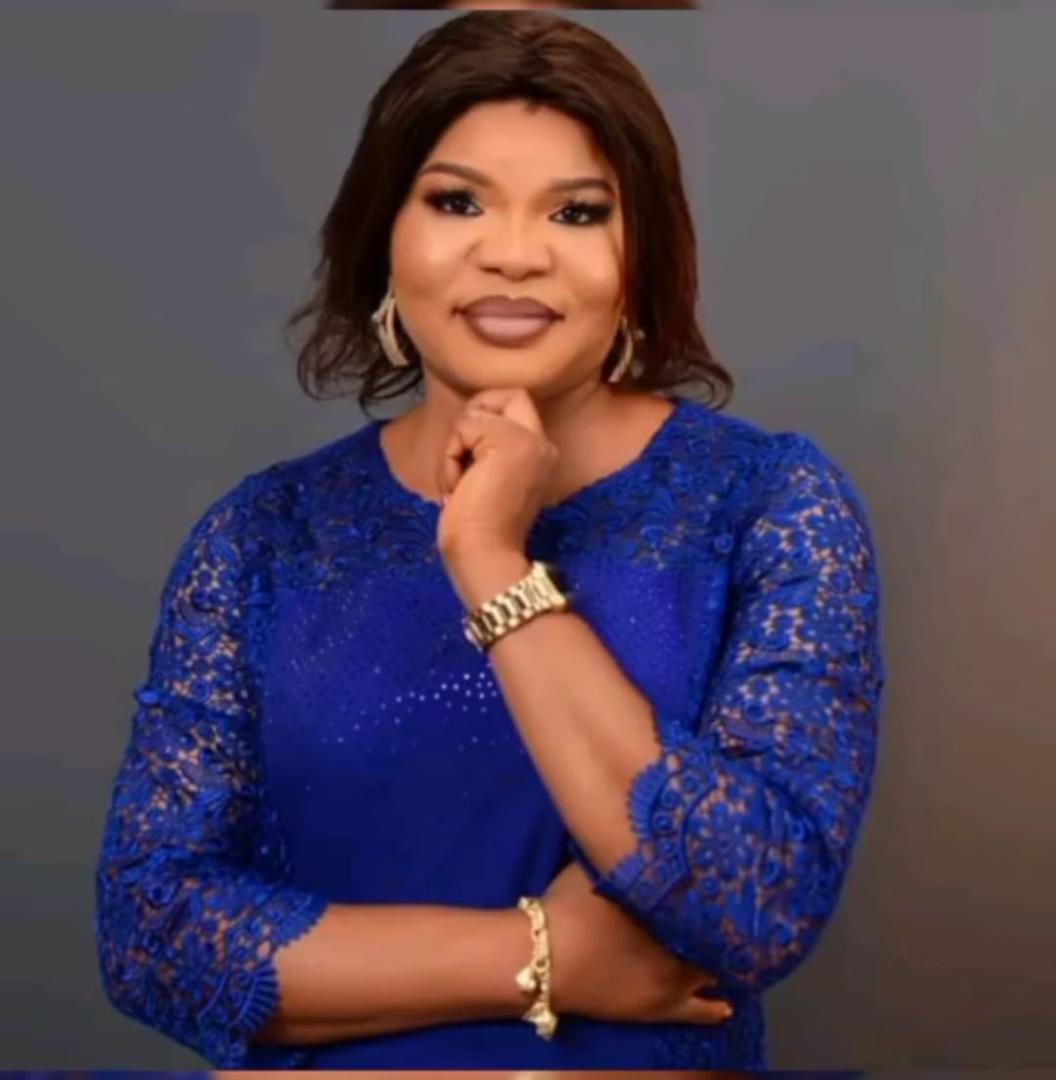
The Vice President of the Nigeria Union of Journalists (NUJ), Zone B, Ronke Afebioye-Samo, has called for urgent and collective action to strengthen press freedom as a pathway to peace, human rights, and national development. In a statement marking World Press Freedom Day 2026, she emphasized that a free, safe, and sustainable press remains central to building a peaceful society.
Marking the global event on May 3, Afebioye-Samo noted that this year’s theme, “Shaping a Future of Peace: Promoting Press Freedom for Human Rights, Development and Security,” underscores the critical role of the media in fostering accountability and stability. She highlighted that the international conference organized by UNESCO in collaboration with the Government of Zambia serves as a reminder that peace thrives where truth and transparency are upheld.
The NUJ Zone B leader explained that World Press Freedom Day, proclaimed by the United Nations in 1993, provides an opportunity to celebrate the principles of press freedom, evaluate global press conditions, defend media independence, and honour journalists who have paid the ultimate price in the line of duty. She urged governments at all levels to recommit to upholding the rights enshrined in Article 19 of the Universal Declaration of Human Rights.
Focusing on the South West region of Nigeria, Afebioye-Samo identified three critical challenges confronting journalists. She raised concerns over the safety of media practitioners, citing increasing cases of harassment, intimidation, and attacks, particularly during elections and crisis reporting. According to her, failure to prosecute perpetrators of such acts continues to embolden further violations.
She also drew attention to the growing impact of artificial intelligence and disinformation on the media landscape. While acknowledging the benefits of AI in enhancing reporting and fact-checking, she warned that the rise of deepfakes and manipulated content poses serious threats to public trust and national security. She stressed the need for media organizations to invest in AI literacy and for technology platforms to ensure transparency in content moderation.
On welfare and access to information, the NUJ Vice President decried poor remuneration, unpaid salaries, and lack of insurance for journalists, noting that these challenges expose media professionals to undue influence and compromise. She further called for the effective implementation of the Freedom of Information Act, stressing that access to public data is vital for informed decision-making and development.
Despite the inability of the NUJ South West to convene physically this year, Afebioye-Samo reaffirmed the union’s commitment to capacity building, advocacy for stronger legal protections, and partnerships aimed at enhancing transparency and accountability. She also paid tribute to journalists who have lost their lives in the line of duty.
She concluded by urging government, media stakeholders, and citizens to work together in safeguarding press freedom, noting that peace and development can only thrive in an environment where journalists can operate without fear or restriction.
“Long live the NUJ, Zone B. Long live the Nigerian press. Long live the Federal Republic of Nigeria,” the statement concluded.

