

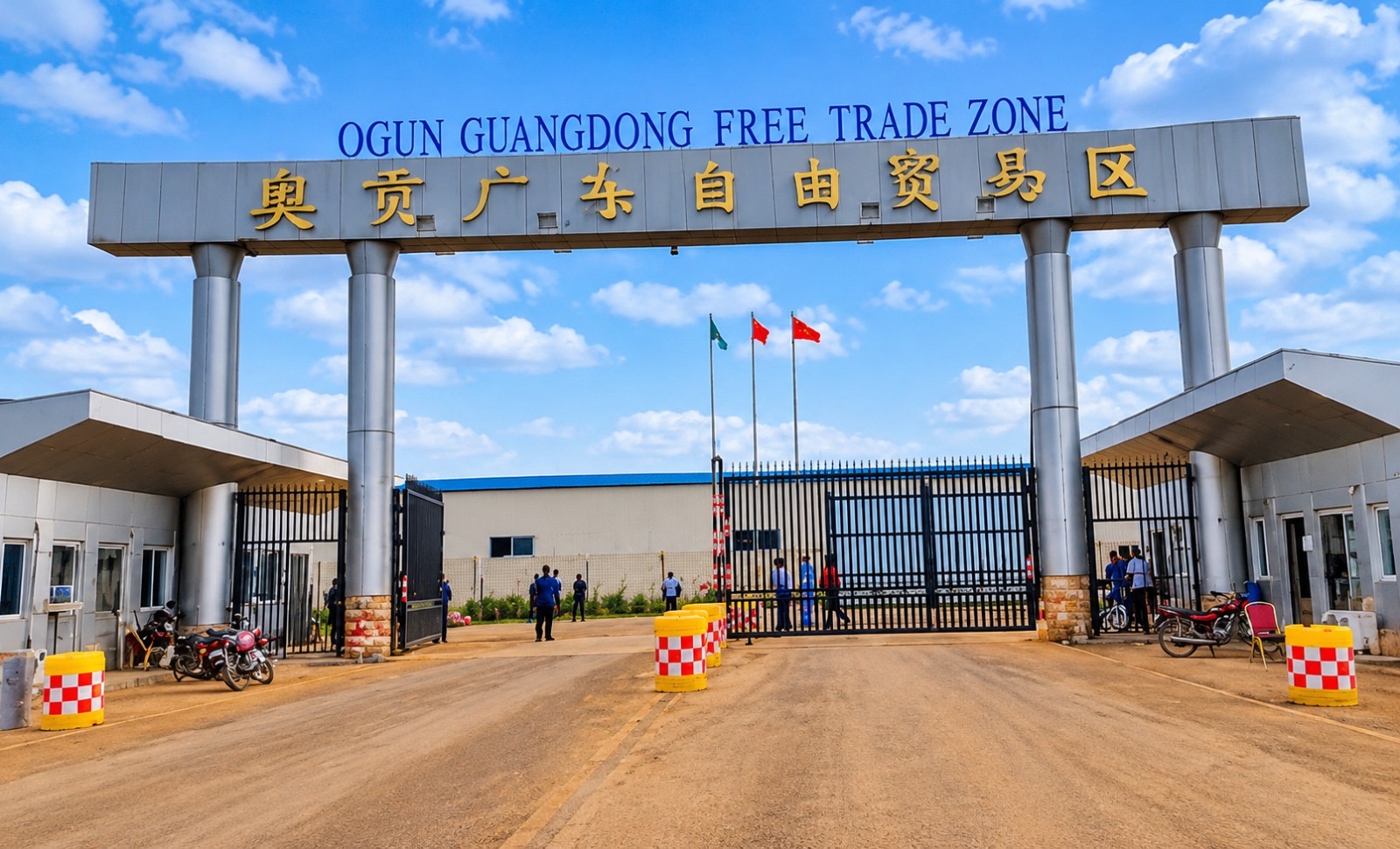
The Ogun–Guangdong Free Trade Zone (OGFTZ) has sustained its investment in basic education in Igbesa, with the China–Nigeria Friendship School established by the Zone now catering to more than 700 pupils after over 14 years of operation.
The school is among the Zone’s major community development interventions aimed at expanding access to education and improving learning opportunities for children in its host communities.
The Administrative Manager of the Nigeria Export Processing Zones Authority (NEPZA), Mr Steven Makanjuola, highlighted the significance of the Zone’s contributions during a press conference held at the OGFTZ premises on Tuesday.
Makanjuola said the Zone’s presence in Igbesa had created opportunities beyond industrial development, stressing that its investment and corporate social responsibility programmes were contributing to community welfare, employment and economic growth.
He described the free trade zone as an important platform for strengthening economic relations between Nigeria and China, noting that its presence offered prospects for business development and improved living standards in host communities.
Providing details of the educational initiatives, OGFTZ Public Relations Manager, Mr Tope Anthony, said the China–Nigeria Friendship School had remained a key part of the Zone’s commitment to supporting education in the area.
He added that the Zone had also introduced an inter-school knowledge competition involving public schools in its host communities, with more than 10,000 students benefiting over the years.
According to him, OGFTZ had supported public schools with learning and extracurricular materials, including stationery, musical instruments, sound systems, sewing machines and sports equipment, while cash prizes had been awarded to outstanding schools to encourage academic excellence.
Anthony further disclosed that the Zone operated a free Chinese language school for students in its host communities, giving them opportunities to acquire additional language skills and learn about Chinese culture.
He said OGFTZ had also awarded fully funded scholarships to indigenes to study in China, broadening their access to international education, cultural exchange and new learning experiences.
Beyond education, Anthony said the Zone’s community development programmes covered healthcare, infrastructure, youth empowerment, agriculture, water supply, women’s economic empowerment and sports.
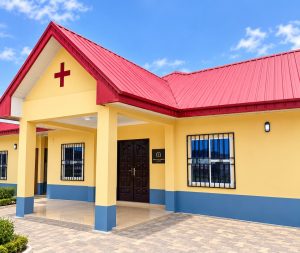
He noted that OGFTZ had constructed a hospital block, donated medical supplies and organised medical outreaches, while its road projects, including the Oba Adesola Market Road, were estimated to benefit more than 350,000 people by improving access to markets and commercial centres.
Other interventions, he said, included business grants and starter kits for youths, a solar-powered water facility serving more than 5,000 community members, business support for 20 widows, agricultural training for hundreds of farmers and sports programmes that had benefited more than 2,000 young people.
Makanjuola reaffirmed the Zone’s commitment to working with community leaders, traditional institutions, government agencies and other stakeholders to identify development priorities and sustain initiatives that improve the welfare of residents while advancing industrial growth and economic cooperation between Nigeria and China.

