
A fresh controversy over succession claims within the Fusengbuwa Ruling House has stirred renewed debate about lineage, history and ambition in Ijebuland, following public assertions linked to Fuji musician Alhaji Wasiu Ayinde Marshal (Kwam 1).
Contrary to widespread assumptions, observers say the dispute goes beyond the personality of Kwam 1 and instead reflects a deeper rivalry among lineages within the Fusengbuwa Ruling House, one of the four recognised ruling houses eligible to produce the Awujale of Ijebuland.
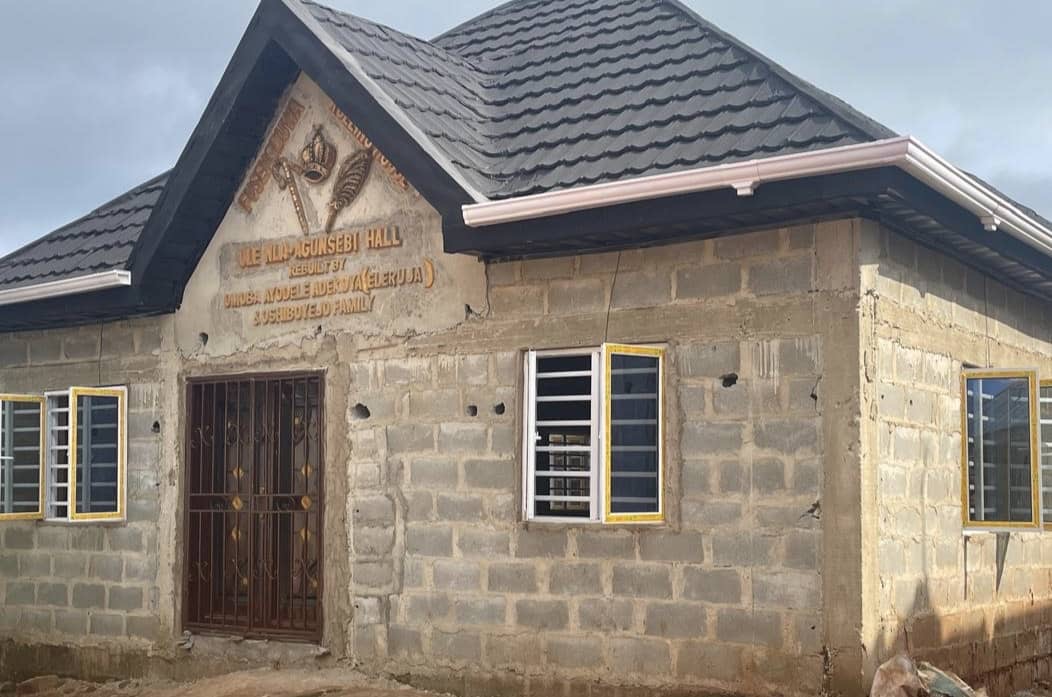
Fusengbuwa and Fidipote are two of the four ruling houses of the Awujale stool, both shaped by unique historical developments. Current claims and counter-claims regarding Fusengbuwa’s lineage structure are traced to the historical co-existence of Jadiara descendants and the Fusengbuwa Ruling House within Agunsenbi Quarters, Ijebu-Ode.
A similar arrangement exists in Idewon Quarters, where the Ojigi Amoyegeso lineage co-exists with the Fidipote Ruling House.
Although tradition and law render the Fusengbuwa Ruling House ineligible to ascend the Dagburewe of Idowa throne reserved for Jadiara descendants, historical records indicate that Fusengbuwa lineages influenced the selection of the Dagburewe until 1954, when Jadiara descendants asserted their right to independently choose their monarch.
Recent publications by Amotekun Oodua TV and some online platforms have, however, been criticised for allegedly misrepresenting established facts about the Fusengbuwa Ruling House. According to historically acknowledged records, the Fusengbuwa Ruling House comprises eight lineages:
- Olufadekemi (Male Abidaagba)
- Adesimbo Tunwase (Male Abidaagba)
- Ushenowo (Female Abidaagba)
- Okuyandewo (Female Abidaagba)
- Adebiyi (Female Abidaagba)
- Oshinuga (Male Abidoye)
- Adekenu (Female Abidoye)
- Adeberu (Female)
Critics fault claims describing the Oshinuga lineage as Abidaagba rather than its historically recognised Abidoye status, as well as assertions that some Fusengbuwa lineages are “closed” or extinct. They argue that such claims are contradicted by the presence of active descendants currently participating in succession processes.
For instance, the Olori Ebi of the Fusengbuwa Ruling House, Otunba Lateef Owoyemi, and one of the contenders for the Awujale stool, Prince Adebowale Ogunwo, are both from the Adebiyi (Usenbanke) lineage. Similarly, Otunba Adedokun Ajidagba, Deputy Chairman of the Fusengbuwa Ruling House, hails from the Adeberu lineage.
Historical definitions further distinguish Abidaagba as children born to an Awujale while on the throne, while Abidoye refers to children born before ascension. Records show that although Oshinuga was the first child of Oba Fusengbuwa, he was not born during his reign and therefore remains Abidoye.
Analysts suggest the renewed controversy may be linked to the perceived advantage enjoyed by Abidaagba lineages under the 1957 Awujale of Ijebuland Chieftaincy Declaration, prompting attempts to reinterpret history in favour of specific interests.
Stakeholders warn that the spread of inaccurate narratives risks undermining the credibility of those promoting them rather than the integrity of the Fusengbuwa Ruling House or the Awujale stool itself.
As debates continue, the central question remains whether historical records will prevail over personal ambition in shaping the future of Ijebuland’s traditional leadership.

